• Home
  • About
  • Contact
  • Privacy Policy
   
  • Home
  • About
  • Contact
  • Privacy Policy

Home

Picture
👘 Apron Styles and Types
  1. Waist Apron
    • Covers from the waist down.
    • Popular with servers, florists, and shopkeepers.
  2. Bib Apron
    • Classic full-body apron with a neck loop and waist ties.
    • Ideal for chefs, bakers, artists.
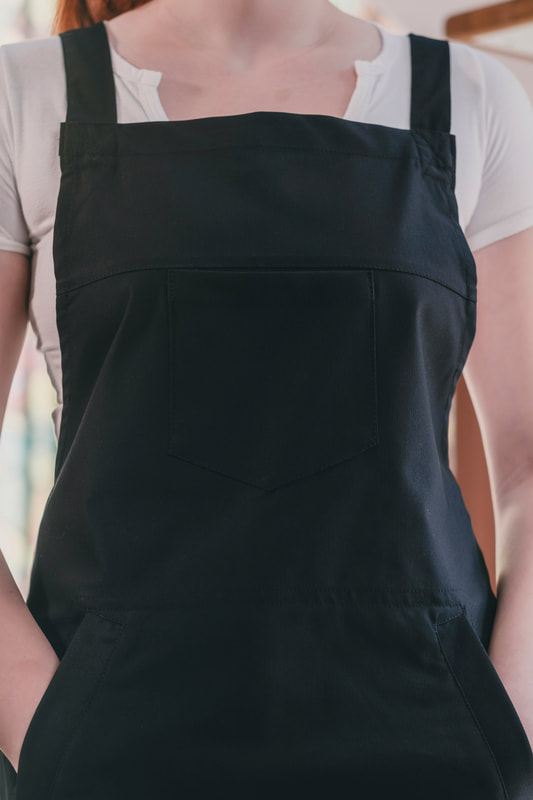
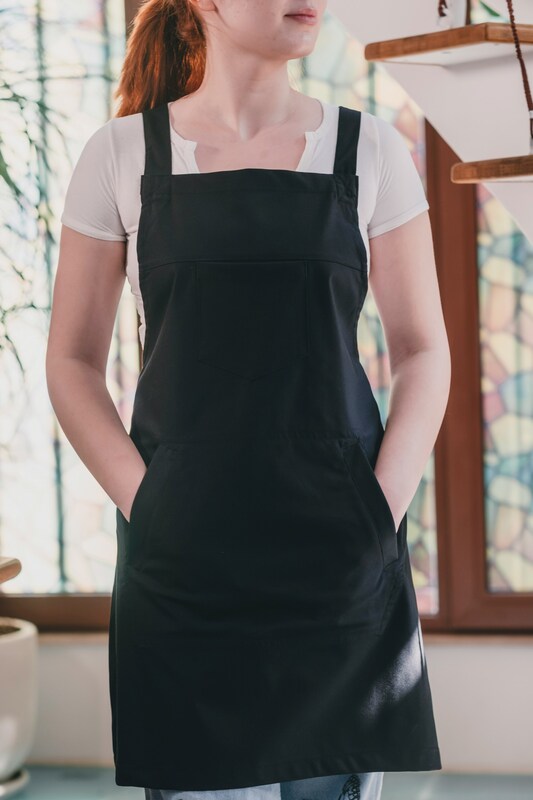
  3. Cross-Back Apron (Japanese Style)
    • Straps cross behind the back instead of around the neck.
    • More ergonomic; used in long-shift professions.
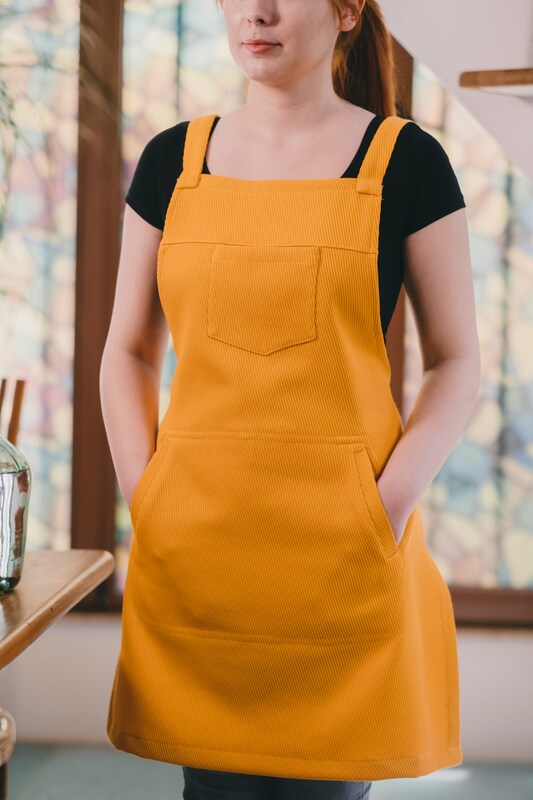
  4. Pinafore Apron
    • A dress-like apron, often with ruffles or pleats.
    • Common in traditional kitchens and homemaking settings.
  5. Cobbler Apron
    • Covers both front and back, fastens at the sides.
    • Great for schools, healthcare, or cleaning staff.
  6. Disposable Aprons
    • Made of plastic or paper; single-use.
    • Used in food service, healthcare, or messy crafts.


🧼 Apron Care and Maintenance
  • Wash Regularly: Especially after heavy use.
  • Material-Specific Washing:
    • Cotton: Machine wash warm, tumble dry low.
    • Leather: Wipe with a damp cloth, condition occasionally.
    • Plastic/Rubber: Hand rinse or disinfect with wipes.
  • Stain Treatment: Pre-treat with mild soap or baking soda.
  • Storage: Hang to dry; fold flat to avoid wrinkles.

✨ Fun Facts About Aprons
  • In some cultures, aprons are symbolic of hospitality and care.
  • Aprons have featured in folklore and ceremonial attire, especially in Freemasonry.
  • Some modern aprons include tech integration like magnetic tool holders or touch-sensitive pockets.
  • Aprons are often used as a canvas for self-expression — customized with patches, slogans, or artwork.

🧩 Tips for Choosing the Right Apron
  1. Consider the task — messy work may need waterproof layers.
  2. Check the fit — too tight or too loose can hinder movement.
  3. Style or function first? — for customer-facing roles, blend both.
  4. Breathability vs. protection — balance comfort and safety.
. Aprons in World Traditions
  • Japan: Aprons (or kappōgi) are worn over kimonos for cooking or cleaning. The cross-back style originates here and is known for comfort.
  • Eastern Europe: Embroidered aprons are part of traditional dress — especially in countries like Hungary, Ukraine, and Poland — symbolizing heritage and femininity.
  • Africa: Some tribal garments include apron-like panels, worn for ceremonial or status purposes.
  • Western Cultures (1950s America): Aprons became symbols of domestic pride — often seen in ads portraying the "perfect housewife."
2. Symbolism of Aprons
  • Protection: Literally and symbolically, aprons shield the wearer — not just from mess but from harm or negative influence.
  • Service: Wearing an apron signifies readiness to serve, assist, or create.
  • Ritual and Identity: In some fraternal orders (e.g., Freemasons), aprons symbolize knowledge, rank, and tradition.
Picture
Picture
Basic Supplies:
  • Fabric (cotton or canvas for beginners)
  • Sewing machine or needle and thread
  • Scissors
  • Measuring tape
  • Pins or clips
  • Optional: pockets, lace, patches, or appliqué
Basic Pattern:
  1. Cut fabric – about 24 inches wide x 30 inches long for a full apron.
  2. Create neck loop and waist ties – about 20-25 inches for neck and 30 inches each for waist.
  3. Hem all edges – fold twice and stitch to prevent fraying.
  4. Add pockets – cut squares or rectangles, hem, and sew onto front.
  5. Embellish – add embroidery, screen printing, iron-on art, or fabric paint.
✅ Tip: For a no-sew apron, use a sturdy T-shirt, cut off sleeves, and tie the bottom.
.
  • Home
  • About
  • Contact
  • Privacy Policy